
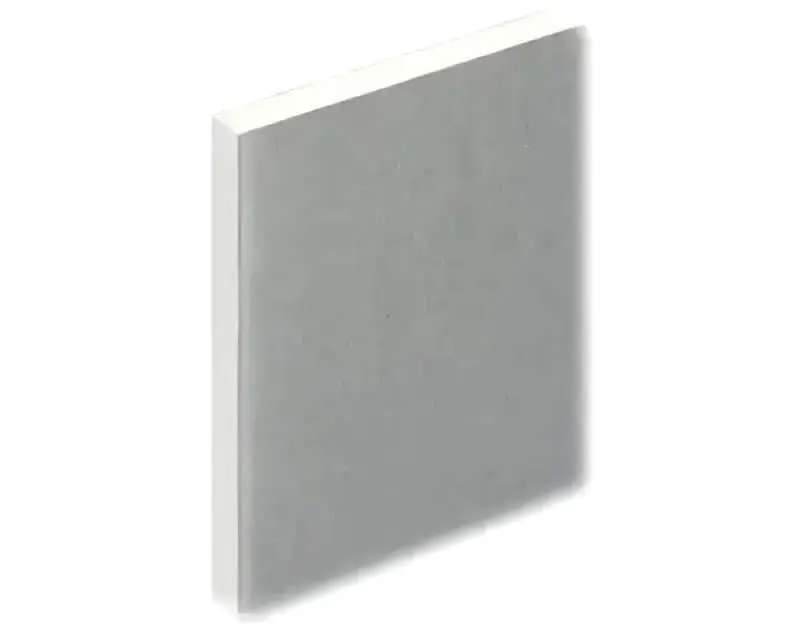
When selecting wallboards, it’s easy to assume one type fits all. But every room in your home or commercial project has different needs. Moisture levels vary, fire safety matters, and sound insulation often gets overlooked. Choosing the right board ensures a longer-lasting finish, less maintenance, and better performance.
At CB Building Products, we supply a full range of wallboards to trade professionals and DIY customers. With decades of experience in drylining, we know that choosing the right board for each environment makes all the difference.
Let’s explore what makes each room unique and which wallboard works best
1. Kitchens and Bathrooms: Prioritising Moisture Protection
These are the most humid rooms in any property. Kitchens and bathrooms generate moisture daily through cooking, boiling water, baths, and showers. That means ordinary wallboard won’t last long.
Recommended Board Type: Moisture-Resistant Plasterboard
This wallboard is specially treated to resist water absorption. It’s ideal behind tiles, around sinks, or as a base for paint or finish.
- Best practice: Use moisture-resistant plasterboard around all splash zones, such as bath surrounds and above hobs. Pair it with proper ventilation for long-term durability.
- Why it matters: Standard wallboard softens over time in high humidity. Moisture-resistant variants offer structural integrity and a clean finish.
- Key advantage: Reduces mould risk, paint blistering, and tile detachment.
2. Bedrooms and Living Areas: Focus on Soundproofing and Finish
For living rooms, bedrooms, and communal areas, the goals are comfort and appearance. These are dry zones, so moisture isn’t a concern. But noise can be.
Recommended Board Type: Soundproof Wallboard or Standard Wallboard
If you’re in a semi-detached home or apartment, choose soundproof wallboard to reduce neighbour or room-to-room noise.
In quieter homes, standard plasterboard offers a cost-effective, paint-ready solution.
Top tip: For party walls, soundproof wallboard combined with acoustic insulation offers excellent performance.
3. Garages and Utility Rooms: Robustness and Fire Safety
These areas often contain boilers, appliances, or flammable materials like paints or fuels. They may also be unheated in winter, so boards need strength.
Recommended Board Type: Fire-Rated Wallboard
Fire-rated wallboards provide resistance to flames and high heat. These are often required under building regulations when garages connect to main properties.
Why it matters: Fire-rated boards help contain the spread of fire and protect escape routes.
Extra tip: Combine fire-rated wallboards with appropriate insulation for improved performance in colder spaces.
4. Lofts and Attics: Lightweight and Insulative Choices
Lofts often have sloped ceilings and tight angles. They benefit from lightweight boards that are easier to cut and fit.
Recommended Board Type: Foil-Backed Insulated Wallboard
This combines plasterboard with insulation in one product. It’s ideal for loft conversions and cold roof spaces where thermal performance is essential.
Benefit: Saves space by eliminating the need for a separate insulation layer.
Installation tip: Always ensure adequate ventilation to avoid condensation buildup in loft voids.
5. Home Offices and Studios: Privacy and Practicality
Sound transfer matters in home offices and studios, especially if work involves meetings, recording, or music.
Recommended Board Type: Soundproof Wallboard
Choose wallboards designed with a dense core to block airborne noise. For best results, install on both sides of partition walls.
Bonus: Improves focus and comfort, especially in busy homes.
6. Utility Rooms, WC’s and En-suites: Small Rooms, Big Needs
Even small wet rooms deserve the right products. These spaces see daily use and need surfaces that stay clean and hold up under pressure.
Recommended Board Type: Moisture-Resistant Plasterboard
Just like in bathrooms, wallboards here must resist humidity and water exposure.
Pro tip: Always tape and seal all joints properly to ensure no water ingress behind finishes.
7. Choosing the Right Board for Each Room: Summary Table
| Room Type | Recommended Board | Why It’s Ideal |
|---|---|---|
| Kitchen | Moisture-Resistant Plasterboard | Prevents mould and swelling |
| Bathroom | Moisture-Resistant Plasterboard | Handles steam and splash areas |
| Bedroom | Soundproof or Standard | Blocks noise, smooth finish |
| Living Room | Soundproof or Standard | Ideal for comfort and acoustic control |
| Garage | Fire-Rated Wallboard | Fire protection and impact resistance |
| Loft | Foil-Backed Insulated Wallboard | Improves insulation and saves space |
| Home Office | Soundproof Wallboard | Reduces noise for calls or concentration |
| En-suite / WC | Moisture-Resistant Plasterboard | Durable and hygienic in wet areas |
CB Building Products: Your Drylining Experts
At CB Building Products, we understand drylining better than most. With over 80 years of combined experience, we know which boards perform best where it matters. Our team is here to help you choose the right products for the right rooms — whether you’re a trade pro or tackling your own project.
FAQs
1. Can I use standard wallboard in my kitchen?
It’s not recommended. Moisture from cooking can degrade standard boards over time. Use moisture-resistant plasterboard instead.
2. What makes fire-rated wallboard different?
It contains glass fibre and other additives that help it resist fire for up to 60 minutes, depending on thickness and application.
3. Is insulated wallboard enough for a cold loft?
In many cases, yes. Foil-backed boards combine insulation and finish, but confirm your U-value requirements before starting.
4. What thickness wallboard should I choose?
Most rooms use 12.5mm boards. For ceilings or added strength, consider 15mm. Always follow manufacturer and regulatory guidance.
Speak to the Experts Today
Need help choosing the right wallboard?
Our knowledgeable team can guide you on performance, compliance, and best-fit solutions for your build.
Email: info@cbbuildingproducts.co.uk
Call: 01527 359 047